What Are the Best Types of Car Tires in 2026?

Choosing the best car tires in 2026 starts with the roads you actually drive, not a bestseller list. A quiet touring tire can suit a daily commute, while a summer performance tire may offer sharper handling in warm weather. In regions with frequent snow, dedicated winter tires can provide more suitable cold-weather traction. All-weather tires offer another option for drivers who face changing conditions but do not want seasonal tire changes. There is no universal winner. That part is easy to overlook.

Tire tester Jonathan Benson of Tyre Reviews has emphasized a practical principle: “The best tire depends on the car, the conditions, and the driver.” This guide compares major tire types by grip, comfort, tread life, noise, and value. It also considers all-terrain and mud-terrain choices for drivers who leave paved roads, plus tires designed for electric vehicles. Some EV-focused models prioritize low rolling resistance and reduced cabin noise, but those features do not make every such tire the right fit. Check the vehicle’s specified size, load index, and speed rating before comparing prices. A tire that looks suitable online may not match your car’s requirements.

Real-world details matter. Think of a wet roundabout, a cold morning commute, or gravel crunching beneath the tread. These situations reveal trade-offs that labels cannot fully capture. Test results also depend on vehicle, temperature, and road surface, so one ranking should not settle the question. The comparison ahead aims to make the choices clearer, while acknowledging that tire performance is never perfectly tidy.
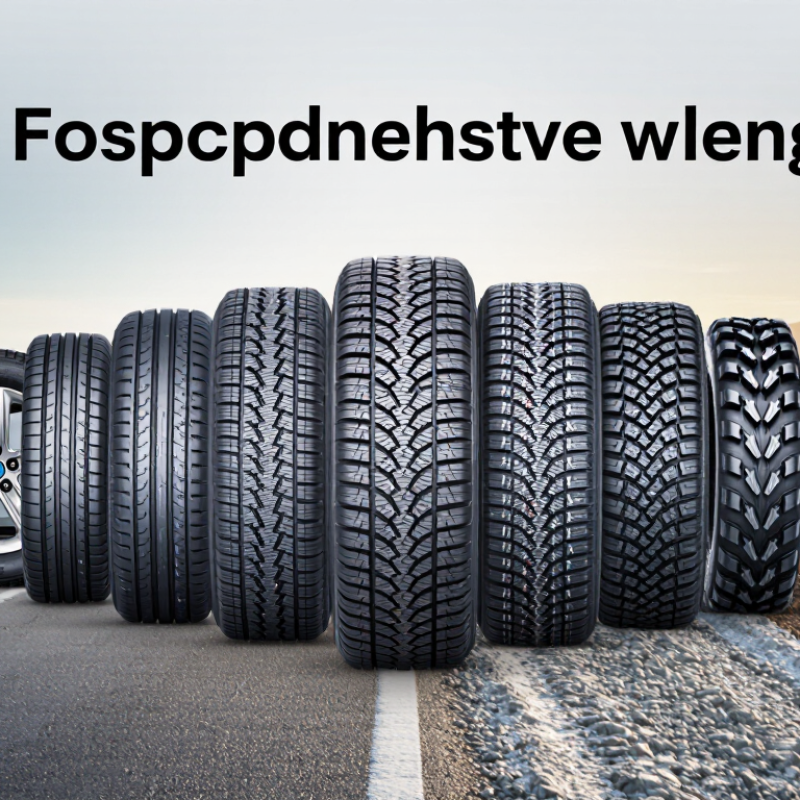
What Are the Best Types of Car Tires in 2026?

What Types of Car Tires Are Available in 2026?

In 2026, car tires generally fall into several practical categories. All-season tires suit moderate climates and everyday driving, offering a balance of wet-road grip, tread life, and comfort. They are not a substitute for dedicated winter tires in areas with frequent snow or ice. Summer tires provide responsive handling and strong warm-weather grip, but cold temperatures can reduce their flexibility. Winter tires use compounds and tread patterns designed for colder conditions. They can improve traction on snow, though stopping distances still depend on speed and road conditions.

A useful detail: the right tire cannot make every surface safe.

All-weather tires are designed for year-round use, including occasional winter conditions, but performance varies by model and climate. Touring tires often prioritize quiet rides and steady wear, while performance tires emphasize cornering and steering response. Drivers who travel on gravel or rough tracks may consider all-terrain tires; they can be noisier on paved roads. Run-flat tires are another option, built to travel a limited distance after losing pressure, subject to the vehicle and tire maker’s guidance. The categories can blur a little. Check the size, load rating, and speed rating listed for your car, then compare them with local weather and your usual routes. A tire that feels excellent on dry pavement may be a poor fit for icy mornings.
Which Tire Features Matter for Different Driving Conditions?

A tire’s category matters, but its features should match the roads, temperatures, and loads you actually face. For frequent rain, prioritize deep grooves, effective water evacuation, and dependable wet braking over an aggressive-looking tread. AAA testing found that tires worn to 4/32-inch tread needed up to 87 extra feet to stop on wet pavement from 60 mph, compared with new tires. That matters. A small tread-depth check can change your choice.

In regions with repeated snow or freezing temperatures, winter tires use compounds and tread designs suited to cold grip. All-season tires trade some extreme-weather traction for year-round convenience. Not always enough. NHTSA advises considering winter tires in severe winter conditions rather than assuming “all-season” means all weather. On hot, dry highways, look for stable handling, heat resistance, and load capacity that matches the vehicle placard. A quiet ride is useful, too. But tread noise is not a safety rating.

Rolling resistance affects fuel use, while correct pressure helps protect handling and tread life. The U.S. Department of Energy says properly inflated tires can improve fuel economy by about 0.6% on average, and up to 3% in some cases. Check pressure when tires are cold, using the vehicle placard rather than the sidewall maximum. Choosing by price or tread appearance alone is an imperfect shortcut; neither shows how a tire behaves in rain, cold, or with a loaded car. For 2026, compare wet-braking, snow-traction, and noise data for the exact tire size you need.

What Are the Best Types of Car Tires in 2026?

How common tire types suit different driving conditions

Ratings are a qualitative guide from 1 (low suitability) to 5 (high suitability), based on the typical design and intended use of each tire type—not standardized test results. Actual performance varies by tire, vehicle, road, and weather. For frequent snow and ice, use tires designed for winter conditions; for rough unpaved routes, consider all-terrain tires.

How Do All-Season, Summer, and Winter Tires Compare?

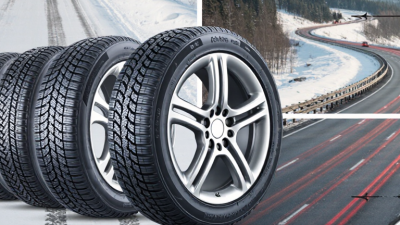
All-season tires are the practical middle ground: their tread patterns handle dry roads, rain, and occasional light snow. They suit drivers who face mild seasonal changes and prefer not to swap tires twice a year. Summer tires prioritize grip and steering response on warm, dry or wet pavement. Their compounds are not intended for freezing conditions. Winter tires use flexible rubber and fine tread cuts called sipes, helping them grip snow and cold, slick roads. You can feel the difference in a snowy parking lot.

AAA’s 2019 tire testing found winter tires provided up to 33% more traction on snow than all-season tires. That figure reflects specific test conditions, not every tire or road.

Winter tires can also wear faster in warm weather, while summer tires lose suitability as temperatures approach freezing. A common changeover guide is about 45°F (7°C), but it is only a rule of thumb. Weather, driving distance, and local road conditions matter too. The “best” choice may be less obvious for a driver facing cold rain, brief snow, and long dry stretches in one week.

When Are Touring, Performance, and All-Terrain Tires Best?

Touring tires are usually the sensible choice for commuting, family trips, and long highway drives. Their tread and construction tend to favor a quiet ride, predictable wet-road handling, and steady wear. If fuel use matters, compare rolling-resistance ratings rather than relying on tire category alone. The U.S. Department of Energy’s Alternative Fuels Data Center estimates that low-rolling-resistance tires can improve fuel economy by about 1–2%, though results vary with the vehicle and driving conditions. Not a guarantee. Performance tires suit drivers who value sharper steering and grip on warm, dry pavement. They can feel less forgiving over potholes, and their grip may drop in cold weather.

All-terrain tires make sense when regular routes include gravel, dirt, or uneven roads. Their larger tread blocks can add traction off pavement, but may bring more road noise and a less settled highway feel. They are not a substitute for dedicated winter tires in severe snow or ice. Tread condition matters across every category: AAA’s wet-braking research found that tires worn to 4/32 inch took 87 feet longer to stop than new tires in its 60-mph wet-road test. That figure reflects a specific test, not every car or road. Check tread and pressure regularly; the best tire on paper can disappoint when neglected.

What Are the Best Types of Car Tires in 2026? — When Are Touring, Performance, and All-Terrain Tires Best?
Tire Type Best For Road Feel and Handling Wet and Cold-Weather Notes Trade-Offs
Touring Daily commuting, family cars, and drivers who value a comfortable, quiet ride. Generally tuned for stable, predictable handling and ride comfort rather than maximum cornering grip. Many touring tires are all-season models and can handle light winter conditions. Check the tire’s markings and local winter requirements. Usually less responsive during aggressive driving than performance tires; capability varies by model.
Performance Summer Warm-weather driving, sporty cars, and drivers who prioritize steering response and grip on dry roads. Typically offers sharper handling and stronger warm-weather traction than comfort-focused touring designs. Can provide strong wet-road grip when temperatures are suitable, but summer compounds are not designed for snow or icy roads and can lose flexibility in cold conditions. Often firmer or noisier than touring tires and may wear faster, depending on driving style and tire design.
Performance All-Season Sporty daily driving when a driver wants responsive handling with broader seasonal usability than a summer tire. Balances steering response and grip with everyday versatility. Designed for a wider range of conditions than summer performance tires, but is not a substitute for a dedicated winter tire in severe snow and ice. Usually gives up some warm-weather grip compared with a summer performance tire and may be less comfortable than a touring tire.
All-Terrain Pickups and SUVs that regularly travel on dirt, gravel, or other rough surfaces as well as paved roads. More capable on loose surfaces than a typical highway tire; tread design and construction vary considerably. Some models carry the Three-Peak Mountain Snowflake (3PMSF) symbol, indicating they meet a snow-traction performance requirement. The symbol does not mean the tire matches a dedicated winter tire in every winter condition. Can produce more road noise and rolling resistance than highway-oriented tires. Off-road capability depends on the specific tire and vehicle.
Highway-Terrain Pickups and SUVs used mostly on paved roads, including highway commuting and light-duty hauling. Typically prioritizes paved-road comfort, predictable handling, and stable everyday driving. Many models are available with all-season features, but winter performance varies. Check the tire’s markings and expected conditions. Less suited to frequent muddy, rocky, or rough off-road driving than an all-terrain tire.
Dedicated Winter Drivers who regularly face sustained cold, snow, or icy conditions. Uses a cold-weather-focused tread and rubber compound intended to improve winter traction. Generally the strongest choice among these categories for severe winter conditions. Use a matched set and follow local seasonal guidance. Not intended for year-round use in warm weather; performance and wear can suffer when used in hot conditions.
Selection note: Tire performance depends on the exact model, vehicle, tire size, maintenance, road conditions, and driving style. Confirm the vehicle manufacturer’s recommended size and load rating, and check the tire sidewall markings before buying.

How Can Drivers Choose Tires for Their Vehicle and Climate?

Choosing tires starts with the vehicle, not the weather forecast. Check the driver-door placard for the correct size and pressure, then match the tire’s load and speed ratings. A heavy electric vehicle or a fully loaded family car may need more load capacity than a similar-looking tire provides. The National Highway Traffic Safety Administration advises drivers to follow the vehicle manufacturer’s tire specifications. Do not rely on the size alone. A tire can fit the wheel and still be unsuitable for the vehicle’s demands.

Climate narrows the choice. Summer tires prioritize warm-weather grip, while winter tires use tread and rubber designed for cold, snow, and ice. All-season tires suit moderate conditions, but their name can overpromise in severe winter weather. In places with frequent snow and prolonged freezing temperatures, dedicated winter tires may offer more dependable traction. In mild climates, all-season tires can be a practical compromise. There is no perfect option. The U.S. Department of Energy’s fueleconomy.gov estimates that fuel economy can fall by about 0.2% for every 1 psi drop in tire pressure across all four tires. Check pressure monthly, especially during sharp temperature changes, and use the placard’s cold-pressure figure. It is easy to forget. Even careful drivers do.