What Are the Top Types of Car Tires for Global Buyers?

Choosing the right car tires is not simply a matter of picking the most popular brand. Global buyers face different climates, road surfaces, driving habits, vehicle weights, and safety standards. A tire that performs quietly on Germany’s motorways may feel unsuitable on a tropical road covered with heavy rain. Roads disagree.

This guide introduces the main tire types available to international buyers, including summer, winter, all-season, touring, performance, and all-terrain options. Each category has a different balance of grip, comfort, tread life, fuel efficiency, and wet-weather control. Some newer electric vehicles also require tires designed for higher weight, instant torque, and reduced road noise. Those details matter.

Reliable tire selection begins with verified information. Buyers should check the vehicle manufacturer’s recommended size, load index, speed rating, and approved alternatives. Regional regulations and marking requirements also deserve attention, especially when purchasing from overseas suppliers. Independent test results can help, but test conditions rarely match every driver’s daily route.

There is no perfect tire for every country. A long-wearing all-season tire may suit a mild coastal region, yet struggle during severe snow. A rugged all-terrain model can handle gravel confidently, but may create more noise on smooth highways. This guide compares practical strengths and limitations, rather than promising one universal winner. Some recommendations may still require reconsideration after real-world use, because temperature, tire pressure, road quality, and driving style can change performance significantly.
What Are the Top Types of Car Tires for Global Buyers?

Understanding the Main Types of Car Tires

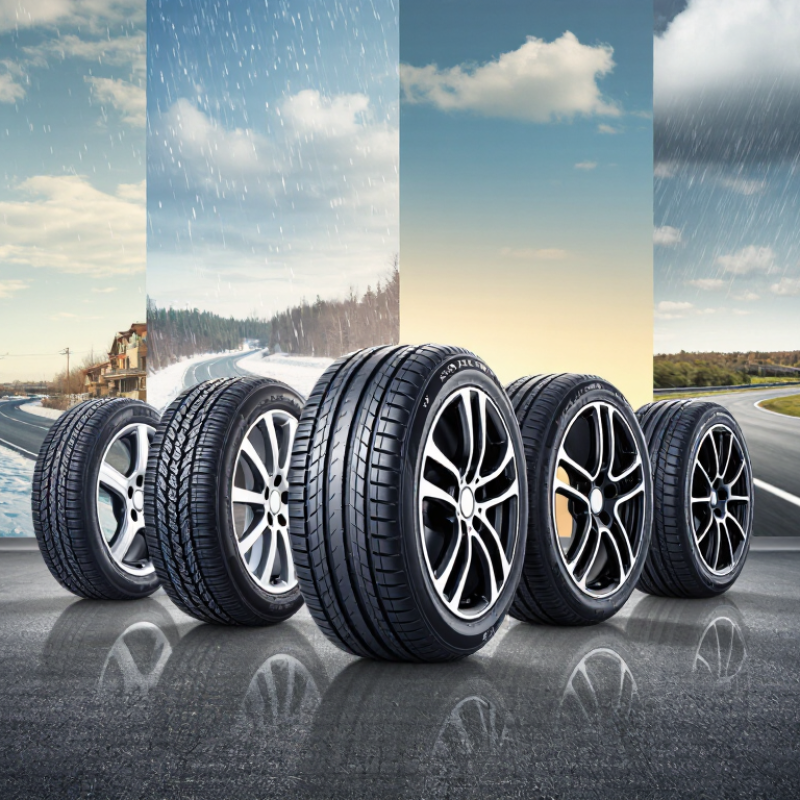
Car tires come in several main types, and each suits a different driving environment.

Summer tires use a firm rubber compound for warm roads and precise steering.

Winter tires remain flexible in freezing temperatures and provide stronger grip on snow.

All-season tires offer balanced performance across mild seasonal changes. However, they may feel less confident during severe heat or heavy snow.

Touring tires emphasize quiet rides and long tread life.

Performance tires improve cornering but can wear faster.

All-terrain tires suit drivers who regularly leave paved roads, though they may create more road noise.

In practical inspections, tread design matters as much as the tire category. Wide grooves help move water away during rain. Dense siping can improve traction on icy surfaces.

Buyers should also check load rating, speed rating, tire size, and recommended pressure. These details are printed on the sidewall or listed in the vehicle manual.

A common mistake is choosing a tire by price alone. I have seen drivers regret that decision after noticing longer braking distances and uneven wear.

Tips:

Match the tire to your climate and road surface.

Check the manufacturing date before purchase.

Replace damaged or heavily cracked tires.

Rotate them according to the vehicle maker’s guidance.

If your roads change sharply between seasons, dedicated summer and winter tires may be safer than one compromise set. Still, local regulations and driving habits deserve careful review.
Comparing Tire Designs for Different Driving Conditions

What Are the Top Types of Car Tires for Global Buyers?
Comparing Tire Designs for Different Driving Conditions

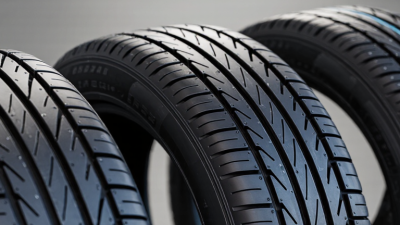
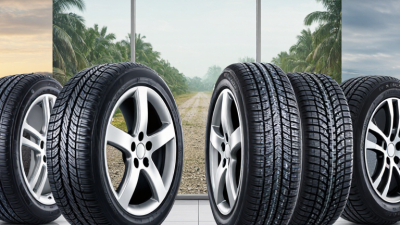
Tire design should match the road, weather, and vehicle load. Summer tires use firmer rubber and wider contact areas. They provide sharp steering on warm, dry pavement. Their grooves can also move rainwater effectively. However, they lose flexibility as temperatures fall below about 7°C.

All-season tires suit drivers facing mild seasonal changes. Their tread blocks balance dry handling, wet grip, and light snow traction. They are practical for mixed city and highway use. They are not a true replacement for winter tires in deep snow or persistent ice. Winter tires use softer compounds and many fine sipes. These features help the tire grip cold roads and packed snow. Stopping distances still depend on speed, road surface, and vehicle condition.

All-terrain tires add stronger sidewalls and open tread patterns. They perform well on gravel, mud, and uneven rural roads. On smooth highways, they may create more noise and reduce fuel efficiency. Touring tires usually offer quieter rides and stable wet-road behavior. Buyers should check the load index, speed rating, tread depth, and local climate records. A tire can look suitable but carry too little weight for a loaded vehicle. That mistake is easy to miss. I would also avoid judging grip from tread appearance alone. Rubber age, inflation pressure, alignment, and storage conditions can change real performance. Even the best design has limits.

Choosing Tires by Vehicle Type, Climate, and Road Use

Choosing tires starts with the vehicle, not the sales label. A compact car usually needs tires balancing comfort, fuel efficiency, and dependable wet braking. SUVs require stronger load capacity, especially when carrying passengers or luggage. Pickup trucks may need reinforced tires for towing, rough access roads, or heavier cargo. Check the door-jamb label. Small details matter. Match the recommended size, load index, and speed rating before comparing prices.

Climate changes tire performance throughout the year. In hot regions, heat-resistant tires can reduce stress during long highway journeys. Areas with frequent rain need reliable water evacuation and stable cornering. Cold climates may require dedicated winter tires, because their rubber stays more flexible at low temperatures. All-season tires can be practical in moderate weather, but they are not perfect for severe snow or extreme heat. City driving feels different. Frequent stops and sharp turns can wear the shoulders quickly, while highways create steady tread wear.

Road use should guide the final choice. Daily urban drivers may value low noise and predictable braking over aggressive tread patterns. Drivers on gravel roads need stronger sidewalls and deeper tread, but those tires may feel less refined on asphalt. I have found that many buyers focus too heavily on tread appearance. That can mislead them. Inspect tire age, pressure, and uneven wear regularly, then compare those findings with the vehicle maker’s specifications. A professional inspection is worthwhile when steering feels vague, vibration appears, or the road conditions change significantly.

Evaluating Tire Performance, Safety, and Longevity

Choosing the right car tire starts with driving conditions, not appearance. Touring tires usually prioritize quiet comfort and long tread life. Performance tires improve cornering and braking on warm, dry roads. Winter tires use flexible compounds and deeper grooves for cold, snow, and ice. All-season tires offer compromise, but compromise has limits. A tire that feels stable in mild weather may lose grip in freezing rain.

Safety deserves measurable attention. The European Union Tyre Label evaluates wet grip, rolling resistance, and external noise. Its wet-grip ratings can represent several meters of braking difference on a wet road. That distance matters. NHTSA’s Traffic Safety Facts reports about 11,000 tire-related crashes annually in the United States, with underinflation identified as a recurring risk factor. Drivers should check pressure monthly, when tires are cold, and inspect tread for uneven wear.

Longevity depends on heat, load, alignment, and storage. The European Commission notes that tires can influence roughly 20% of vehicle fuel use, making rolling resistance relevant to operating costs. However, lower resistance should not automatically outweigh wet braking performance. In real use, a heavily loaded vehicle may need stronger load capacity than a comfortable city car. I have found tire selection becomes less clear when weather changes quickly. That uncertainty deserves honest evaluation. Rotate tires as recommended, replace damaged casings, and treat tread depth as a warning, not a guarantee of safety.

Selecting the Right Car Tires for Global Markets

Global buyers face different roads, climates, vehicle loads, and approval requirements. The best car tire is not universal. It must match local driving conditions and the vehicle manufacturer’s specifications.

All-season tires suit moderate climates with occasional rain and light cold weather. Summer tires provide stronger dry-road grip and precise handling in warm regions. Winter tires use flexible compounds and deeper patterns for snow and freezing temperatures. In rural areas, all-terrain tires may handle gravel, mud, and uneven roads better. However, they can increase noise and fuel consumption on highways.

Check the tire size, load index, speed rating, and construction before ordering. These details appear on the sidewall and vehicle documentation. A tire carrying heavy cargo needs an appropriate load rating. Electric vehicles may also require tires designed for higher weight and instant torque. That point is easy to miss.

Wet-road performance deserves close attention. Look for certified testing information, not only attractive tread patterns. Local rules may require specific markings, seasonal equipment, or noise limits. Confirm these requirements with an authorized inspection center before shipment. Standards differ between markets.

Temperature changes matter. A tire that performs well in a coastal city may struggle on icy mountain roads. Storage conditions matter too; heat, sunlight, and moisture can age rubber before installation. The cheapest option can become expensive after early replacement. I would compare total service life, not just the purchase price. Even experienced buyers sometimes underestimate alignment, inflation, and rotation. Those small details decide whether a good tire performs properly.

What Are the Top Types of Car Tires for Global Buyers? - Selecting the Right Car Tires for Global Markets

Tire Type Best-Suited Climate or Terrain Typical Vehicle or Driving Use Main Advantages Key Limitations Global Buyer Considerations Overall Market Fit
All-Season Tires Moderate climates with limited snow and ice Daily commuting, family vehicles, and mixed urban driving Balanced wet and dry handling, comfortable ride, and convenient year-round use Less effective than dedicated winter tires in severe winter conditions; less specialized than summer tires in hot performance driving Suitable for regions with mild seasonal changes; verify local winter-tire requirements Broad applicability
Summer Tires Warm weather, dry roads, and heavy rain without freezing conditions Passenger cars, sport sedans, and performance-oriented driving Strong dry-road grip, responsive steering, and effective wet-road handling in warm temperatures Performance decreases in cold weather; not designed for snow or icy roads Good fit for warm markets; storage or seasonal replacement may be needed in colder regions Strong in warm markets
Winter Tires Cold climates, snow, slush, and icy roads Vehicles used in regions with regular winter weather Specialized rubber compounds and tread patterns improve traction at low temperatures Faster wear and reduced handling efficiency in warm weather; usually requires seasonal changeover Check whether local laws define required periods, markings, tread depth, or stud restrictions Essential for severe winters
All-Terrain Tires Mixed paved roads, gravel, dirt, and light off-road conditions Pickup trucks, sport utility vehicles, and recreational driving More robust construction and open tread design provide versatility across road surfaces Generally noisier and less fuel-efficient than highway-focused tires; not a substitute for dedicated winter tires Consider vehicle load, road quality, local off-road use, and the balance between road comfort and durability Versatile mixed-use option
Highway Tires Well-maintained paved roads and long-distance routes Pickup trucks, SUVs, vans, and commercial light vehicles Quiet operation, stable highway handling, and good long-distance comfort Limited capability on mud, deep gravel, and demanding off-road terrain Useful for markets with extensive road networks and high-mileage driving patterns Excellent for road travel
Touring Tires Urban roads, highways, and varied everyday conditions Family sedans, hatchbacks, crossovers, and long-distance commuters Designed for comfort, low noise, predictable handling, and steady mileage performance Usually offers less cornering response than specialized performance tires Strong choice where comfort, service life, and everyday practicality are purchasing priorities Reliable everyday choice
Performance Tires Warm conditions and paved roads, especially dry surfaces Sport cars, premium passenger vehicles, and drivers seeking sharper handling Enhanced steering response, cornering grip, and braking performance in suitable conditions Often higher cost, increased road noise, faster wear, and reduced cold-weather suitability Match the tire to vehicle specifications, driving style, road conditions, and local speed regulations Focused enthusiast segment
Run-Flat Tires Urban and highway use where continued mobility after air loss is valuable Vehicles engineered and approved for run-flat technology Can allow limited-speed travel for a limited distance after a puncture, reducing the need for an immediate roadside stop May provide a firmer ride, cost more, and cannot replace prompt inspection or repair Confirm vehicle compatibility, tire-pressure monitoring requirements, replacement availability, and local service support Vehicle-specific solution

Selection note: Buyers should confirm tire size, load index, speed rating, vehicle compatibility, seasonal regulations, road conditions, and required certification standards before purchase. Actual performance varies by tire design, vehicle setup, maintenance, inflation pressure, and driving conditions.